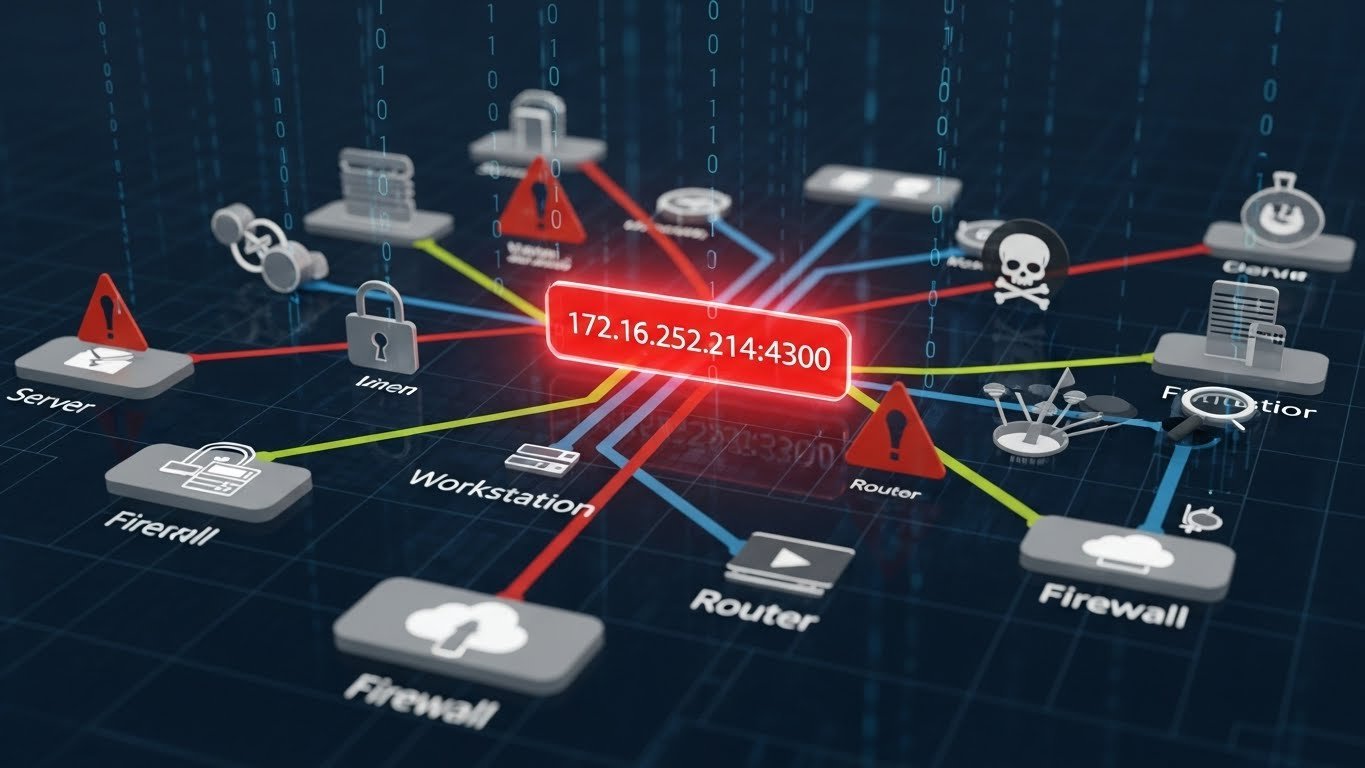
The keyword 172.16.252.214:4300 is commonly seen in internal network environments where applications, tools, or services are hosted for private use. For many users, such an address may look confusing, but it actually follows a clear and logical structure used across modern IT systems. Understanding its function can help organizations manage internal resources more efficiently and securely.
Understanding the Purpose of 172.16.252.214:4300
The address 172.16.252.214:4300 combines a private IP address with a designated port number. Private IP ranges are intentionally reserved for internal use, allowing systems to communicate without being exposed to the public internet. The port number helps route traffic to a specific application or service running on the device.
This setup allows multiple applications to operate on a single server without interference. When a user connects to 172.16.252.214:4300, the request is directed precisely to the service configured on that port, ensuring accurate and efficient communication.
Why Organizations Rely on Private IP and Port Combinations
Private addresses like 172.16.252.214:4300 are widely used because they offer control and isolation. Businesses often need internal tools that handle sensitive data, such as employee dashboards or internal reporting systems. Keeping these services on private addresses ensures they remain accessible only to trusted users within the network.
Another advantage is flexibility. Teams can easily change configurations, test new services, or deploy updates on 172.16.252.214:4300 without affecting public-facing systems. This makes private environments ideal for innovation and experimentation.
Typical Services Hosted on 172.16.252.214:4300
In many cases, 172.16.252.214:4300 may host a management interface for internal software. These interfaces allow administrators to control settings, monitor usage, or review system health. Because the address is internal, sensitive controls are kept away from unauthorized access.
Development teams also use 172.16.252.214:4300 for staging environments. Before releasing updates, they test features internally to ensure stability and performance. This practice reduces errors and improves overall software quality.
Security Awareness in Internal Networks
Although 172.16.252.214:4300 is not publicly reachable by default, internal security remains critical. Weak passwords, outdated software, or overly permissive access rules can create vulnerabilities. Internal breaches can be just as damaging as external attacks if left unchecked.
Organizations should enforce authentication, monitor access logs, and apply regular updates to services running on 172.16.252.214:4300. Segmenting networks and limiting access based on roles further strengthens internal defenses.
Monitoring and Maintenance Best Practices
Continuous monitoring helps ensure that 172.16.252.214:4300 remains available and responsive. Automated tools can track uptime, detect performance issues, and alert administrators to potential problems. This proactive approach minimizes downtime and improves reliability.
Routine maintenance is equally important. Reviewing configurations, cleaning up unused services, and documenting changes help maintain clarity and stability. Clear ownership of 172.16.252.214:4300 ensures accountability and smoother operations.
Troubleshooting Common Access Problems
When users cannot reach 172.16.252.214:4300, the cause is often related to network boundaries or service status. Checking whether the device is connected to the correct internal network is a logical first step. Confirming that the application is running and listening on port 4300 can quickly identify issues.
Firewall restrictions or permission errors may also block access. Addressing these factors systematically helps restore connectivity without unnecessary delays.
Conclusion
The address 172.16.252.214:4300 plays an important role in private network infrastructures. It supports internal applications, enables safe testing environments, and helps organizations manage resources efficiently. With proper security measures, monitoring, and documentation, 172.16.252.214:4300 becomes a dependable component of a well-organized network rather than a source of confusion.